Blog

  • How do you qualify for a 3M military earplug lawsuit? | The Sentinel Group

    How do you qualify for a 3M military earplug lawsuit? | The Sentinel Group

    You could qualify to start or join a 3M military earplug lawsuit if you served in any branch of the U.S. military, were issued 3M ear protection devices, and subsequently suffered from full or partial hearing loss. You may also qualify for compensation if you were diagnosed with tinnitus after using 3M earplug products. If you or someone you love served in the military between 2003 and 2015, you can explore your monetary recovery options.

    Soldiers and other military servicemen and servicewomen who depended on 3M’s products to live up to their promises to protect you during combat have been shown to have sustained damaged hearing. The result of flawed or faulty products entitles military end users to seek compensation for the resulting medical bills, diminished quality of life, and past, current, and future physical and emotional pain and suffering.

    Used 3M’s Dual Combat Arms Earplugs?

    U.S. military service requires many sacrifices, particularly for soldiers and others who place themselves in danger to protect the freedoms of everyone in the country. If you were one of these brave men or women, you probably trusted the manufacturers of protective products at the time of their use. If a military grade product failed to perform as promised and you were injured, you are entitled to compensation.

    If you were a member of the military who sustained hearing damage, total hearing loss, or tinnitus, you can become one of the many men or women filing a 3m earplug lawsuit seeking monetary recovery. You were likely to have used 3M protective earplug devices if you were in combat or other situations or military maneuvers with loud and sustained noises.

    How Do I Know If I Used Defective Military Earplugs?

    If your military service included training exercises and combat situations where you were exposed to unusually loud noises or blasts, the military would have provided you with ear protection. To find out if the earplugs you used are included in this lawsuit, you can start by identifying certain details of your service. You may have used the defective products if you were:

    • A military serviceperson or military contractor between the years of 2001 and 2006
    • Given the standard earplugs issued to military service persons during that time
    • Diagnosed with partial hearing loss, complete hearing loss, or tinnitus afterward

    You may also have used defective military earplugs if you are currently dealing with any of the hearing disturbances or damage listed above. An examination of your military records and medical records can help prove the dates and times of your service and the timeline of the resulting damage.

    What Earplugs Are Covered by the 3M Lawsuits?

    The military may purchase multiple types of earplugs or a variety of models from a single manufacturer. This was the case with 3M. The earplugs that prompted injured service people to start demanding compensation include the following:

    • 3M’s Combat Arms earplugs
    • 3M’s Combat Arms Earplugs Version 2
    • 3M’s dual-ended Combat Arms earplugs
    • 3M’s dual-ended Combat Arms Earplugs, Version 2 (CAEv2)

    Your military records will play a role in proving your eligibility to start or join a lawsuit based on hearing loss and tinnitus suffered by members of the military. Thousands of soldiers are seeking compensation and you may have a case if you used any 3M ear protection device. The best way to find out which earplugs are covered is to review your potential case as part of your pursuit of negligence-based financial damages.

    What is the basis for this lawsuit against the 3M Company?

    This and other cases filed against 3M allege that the company knew about the defect in their ear protection products. The defects that existed in 3M combat earplugs caused a significant decrease in their ability to protect the hearing of men and women who used them in extremely loud settings and in the manner for which they were intended.

    When you put yourself in dangerous situations, you deserve the protection you believe you are getting. According to United States Department of Justice (DOJ) reports, 3M can be held liable for your hearing-related injuries as part of the false claims act. Product makers and providers must deliver products that deliver the protections they promise. Failure to do so puts the health and safety of our country’s military personnel in unacceptable jeopardy.

    Am I eligible to be a Plaintiff in this lawsuit?

    Anyone whose hearing was damaged or destroyed by the use of defective 3M products is eligible to participate in this multidistrict litigation case. A review of your case can help establish your eligibility to pursue financial damages. You qualify if:

    • You were in the military during the years 3M supplied specific earplug protection devices
    • The use of 3M earplugs was part of your military service protocol
    • Your time in service included training, combat situations, or other avenues that exposed you to loud noise
    • You have provable hearing damage or tinnitus

    Personal injury lawyers are building case files and preparing potential lawsuits for men and women just like you who served in the military and suffered hearing loss because of the earplugs they were supplied with.

    I am on active duty. Does that disqualify me?

    A person who is on active duty in the U.S. military cannot pursue damages from the government. Your active-duty status, however, does not disqualify you from pursuing the maker of the faulty product. If your hearing was damaged by 3M’s earplugs, you are as entitled to compensation as a military veteran.

    If you are one of many injured military servicemen and women, you are entitled to seek compensation from the at-fault party. In this case, the at-fault party is 3M because the earplugs with the defective component led to hearing injuries that can be difficult to overcome. They can change your life for the foreseeable and distant future, and you deserve to be compensated for your life-changing injuries.

    If you are a veteran receiving disability benefits for the damage to your hearing, you are also eligible to pursue the 3M for compensation. Most likely, your receipt of compensation will not impact your ability to continue receiving benefits. Only a legal representative can answer this question with certainty, so review it with your representative.

    What is the likelihood that this civil lawsuit will be successful?

    The outcome of any lawsuit cannot be predicted. In a civil lawsuit such as this one, the evidence presented has to meet a specific measure. You and your legal representative must prove 3M:

    • Was aware of their product’s defect
    • Owed you a duty of care
    • Failed to provide it
    • Caused your hearing-related damages
    • Caused your financial damages

    While no one can predict the outcome of this lawsuit, similar lawsuits against 3M have been successful. According to Reuters, the first trial against 3M resulted in a $7.1 million combined verdict for three injured parties. Their second lawsuit resulted in a $1.7 million verdict for a single injured veteran.

    Is this a class action lawsuit?

    A class action lawsuit is one in which multiple plaintiffs sue the same defendant for recoverable damages. If you seek damages as part of a class action group of plaintiffs, you share equally in any resulting monetary damages. Our team represents veterans an active-duty military servicemen and servicewomen who were injured by 3M products.

    If their combat arms earplugs version damaged your hearing, you could be eligible to join our mass torts case. Somewhat similar to a class action lawsuit, it allows a large group of plaintiffs to seek compensation from a single defendant. As part of a mass tort case, a value is assigned to your case on an individual basis and any damages awarded are divided accordingly.

    Can I tell my friends / soldiers who may be affected?

    If you know of other military personnel who suffer from hearing damage, hearing loss, or tinnitus, they are also eligible to seek financial compensation for their damages. In lawsuits filed against the company for their defective earplugs, 3M is being held accountable for hearing-related damages including tinnitus.

    Tinnitus — a troubling condition where sufferers have persistent ringing in the ears. According to Mayo Clinic research, sufferers might also endure other noises in one or both ears. Additional noises that disrupt your life and impede your ability to hear and function include buzzing, roaring, clicking, hissing, and humming.

    Soldiers and other military personnel who used 3M ear protection products may also have sustained hearing loss that resulted in long-term damage. Sufferers may then become dependent on:

    • Hearing aids
    • Increased volume on personal devices
    • Cochlear implants

    You may also require medication to cope with depression and anxiety along with counseling and mental health care support. The devices and medications your injuries require are compensable as part of a personal injury lawsuit.

    What Kinds of Damages Can I Seek?

    Hearing loss caused by exposure to extreme noisiness can be difficult, if not impossible, to recover from. That can mean your life is changed forever and you will require many forms of modifications to your life and to your lifestyle. Accordingly, you can seek compensation for the following types of recoverable damages:

    • Current and future physician expenses
    • Surgery to implant cochlear implants
    • Hearing aids and other assistive medical devices
    • Prescription medications to treat depression or anxiety
    • Lost wages and income for your inability to work
    • Loss of future earning capacity
    • Physical and emotional pain and suffering

    In some personal injury cases, injured plaintiffs are eligible for punitive damages. Punitive damages are rare and are awarded when the decision-maker in a lawsuit deems the at-fault party’s action to have been intentional or particularly egregious.

    Law firms that help injured members of the military seek compensation also help ensure the value assigned to their damage are accurately valued. While no financial award that you receive can accurately compensate you for the damage to your hearing and the forced change to your life, compensation can ensure you get the medical care and support your injuries require. Compensation can also ensure you are able to rebuild your life.

    What is the average payout for the 3M military earplug lawsuit?

    If your lawsuit for financial recovery is successful, the payout you receive from 3M will be based on your specific financial expenses and losses. It will vary greatly from that of other injury victims because of a variety of variables which can include:

    • The value of your lost wages and income
    • The depth and severity of your hearing damages
    • The current and ongoing costs of your treatment plan

    FDA reports suggest 3M was aware of the defect in their combat earplugs — originally designed by Aearo Technologies. This can entitle you to additional compensation in the form of punitive damages. When we manage your case, we will ensure your individual and overall damages are assigned an accurate financial value.

    When will the 3M military earplug lawsuit be settled?

    The length of time it takes to settle a lawsuit depends on many different factors and so cannot be accurately predicted. Of course, we understand your eagerness to settle your lawsuit and start putting your life back together quickly. We also understand the risks involved in settling a lawsuit quickly.

    We opt to help you fight for the best possible financial outcome of your case by steering settlement negotiations in your favor. We use the evidence we collect for you as well as expert testimonials from expert medical and auditory experts. Our goal when we represent you is to ensure you get the compensation the at-fault party’s negligence entitles you to.

    Consult a Military Earplug Lawsuit Attorney

    If you served in the U.S. military as a soldier or in any other capacity, and suffer from damaged hearing, our team can help you seek financial compensation. If your hearing loss was the result of using 3M manufactured military grade combat earplugs, you could be eligible for monetary recovery. Fill out our contact form today for help with your case or to learn more about how you can bring the manufacturer to account.

  • What Should I Expect from My Zantac Lawsuit?

    What Should I Expect from My Zantac Lawsuit?

    If you wish to pursue a Zantac settlement after being diagnosed with cancer, it is important to understand ahead of time what you should expect from your Zantac lawsuit. For example:

    • Zantac and other products containing ranitidine were contaminated with unsafe levels of N-Nitrosodimethylamine (NDMA), a “probable human carcinogen,” per the U.S. Food and Drug Administration (FDA). The drug manufacturers allegedly did not do enough to protect customers from NDMA, so many of these customers are now filing suits.
    • Zantac cases have been moving through the courts for years. Even the earliest cases have yet to conclude, so you should expect your case to take some time. Zantac litigation will not result in fast cash.
    • Many people are diagnosed with different types of cancer—including breast cancer, bladder cancer, and others—after taking Zantac. You may or may not be able to join your case with other plaintiffs’.
    • A Zantac lawyer can help your case go more smoothly. They can handle all necessary legal tasks on your behalf, making the process more accessible to those without legal experience or ones dealing with a debilitating cancer diagnosis.
    • Settlement amounts are currently difficult to predict since the Zantac bellwether trials are still working their way through the system. However, you can sue for any bodily or financial harm caused by taking Zantac or other ranitidine products.

    How much will it cost to file a Zantac cancer lawsuit?

    Lawsuit costs depend on many factors, including but not limited to:

    • The length of the case: The longer your case goes on, the more your lawyer may need to spend on collecting evidence, court fees, travel, and so on.
    • The complexity of the case: If you have a relatively straightforward case where it is easy to show a connection between a drug and your cancer diagnosis, your lawsuit may cost less than one where the connection is not so obvious or if you are suing more than one entity.
    • What type of case you file: If you join a class action suit, you can split the cost of discovery (seeking evidence) and other legal expenses with everyone else in the class action. This can decrease the cost of filing a suit and make it easier to take on a big, well-funded drug manufacturer.
    • The contract you sign with a law firm: Different firms have different payment policies. Some may charge an hourly rate, but others accept a flat rate—often a percentage of your ultimate settlement, to be paid only after you recover compensation.

    No one wants to be surprised about lawsuit expenses after the fact. When considering which law firm to hire, ask direct questions about payment options and how much your case is likely to cost. While the firm may not be able to provide a concrete answer (unforeseen expenses are always a possibility), they should be upfront about cost estimates and how they expect to be paid.

    Will I have to go to court if I file a ranitidine lawsuit?

    You do not necessarily have to go to court. If you hire a lawyer, they can represent you in the courtroom if and when your case gets to that stage. There are two ways your lawsuit could end. The first way involves you receiving a settlement offer from the drug manufacturer. For this to happen, the party you are suing would have to:

    • Believe that they have little or no chance of winning in court
    • Believe that they can save time, money, and their reputation by offering plaintiffs a pretrial settlement
    • Offer a settlement amount that meets your needs, or agree to sit down with your lawyer and negotiate a settlement you can both live with

    This is often a best-case scenario. A pretrial settlement would end your lawsuit and allow you to collect compensation more quickly without going to court. However, there is no guarantee that this will happen. There is always the chance that your compensation will come from a jury award, not a settlement. Also, if the manufacturer loses in court, they can always appeal to a higher court.

    If you do have to go to trial, a lawyer can go to court for you. You would not need to travel all the way to the district where the case is being heard or appear in the courtroom. Your lawyer can:

    • Represent you in the courtroom by presenting arguments and submitting evidence on your behalf
    • Participate in jury selection, eliminating anyone with a potential bias against you
    • File all necessary motions and object to the defendant’s behavior if they do not follow courtroom regulations or other laws
    • Question any witnesses that they or the defendant ask to testify
    • File an appeal if the jury does not find in your favor or continue to represent you if the manufacturer appeals

    How long do I have to file a Zantac cancer lawsuit?

    Generally, it is best to start ranitidine lawsuits as quickly as possible. Any delay could put your lawsuit—and your ability to collect the compensation you need—in jeopardy. This is because of:

    • The statute of limitations: Each state has its own laws about how much time dangerous drug victims have to start their claims. Missing this deadline will end your case before it begins. In many states, the deadline is within a few years of when you discovered the injury.
    • The limitations of evidence: Some types of evidence that you need for your case may lose value over time. Others may be misplaced or destroyed. Your case against the drug manufacturer could be easier to prove if you start sooner when more evidence may be available.
    • Your health: Cancer is a serious, potentially fatal illness. If your cancer is terminal and you wish to recover compensation before you pass away, it is a good idea to start as soon as possible. If you pass away before the suit is resolved, your relatives have the right to continue the claim and recover compensation on your behalf.

    Are you unsure of what the statute of limitations is in your state? A lawyer from your area is familiar with all the relevant laws that may affect your case. They can help you navigate these and other potential obstacles.

    Am I joining a class action if I file a Zantac lawsuit?

    Joining a class action is one way to sue the drug manufacturers responsible for exposing customers to increased cancer risk. However, not everyone wants to join a class action suit or is qualified to do so. Your options for filing a Zantac lawsuit include:

      • Joining a class action: By joining a class action, your case will be combined with those of others, and only one or a few individuals would file their cases on behalf of everyone. You would share in both the expenses of filing a lawsuit and in any potential settlement offers. You would also gain access to any resources or evidence the other plaintiffs have and vice versa.
    • Joining multidistrict litigation: A Zantac MDL allows similar cases from across the country to be “centralized,” per the Judicial Panel on Multidistrict Litigation. Like a class action, this can save you money and allow you to share resources with other litigants. However, unlike a class action, everyone must file their own cases rather than relying on a few representative suits.
    • Starting an individual lawsuit: To join a class action or MDL, you must have an injury or illness like those of the other people involved—for example, you all have bladder cancer. If your injury is noticeably different, you can start your own legal action. Other plaintiffs with cases like yours may even end up joining your suit, turning it into a class action or MDL after the fact.

    Ultimately, whether you join a class action suit is something for you and your lawyer to decide.

    What will my lawyer need from me to file a Zantac claim?

    Your lawyer will tell you what they need from you at different points during your case. You can expect them to ask for:

    • A testimonial statement regarding your use of Zantac and how the cancer is impacting your life
    • Any materials (such as medical records, receipts, or bills) that you already possess and that prove your ranitidine exposure cost you money, required medical treatment, and so on
    • The names of potential witnesses who can confirm that you took Zantac during the period in question, the severity of your condition, and other crucial points

    If your lawyer needs other types of evidence or materials, it is their job to locate and request it. You would not have to worry about building a case by yourself.

    There may be times when your lawyer needs you to decide about the future of your claim. Just because they are managing your case for you does not mean it is no longer your case. Your lawyer can help you by:

    • Keeping you informed about how your case is going and what is happening
    • Explaining all new developments in a way that you can understand
    • Going through all available legal options and the benefits and drawbacks of each
    • Advising you as to which option may yield the best possible results

    Do I need a lawyer to file a ranitidine claim?

    It is a good idea to at least consult with a dangerous drug attorney before moving ahead with your case. Many firms offer free case reviews, allowing you to better understand your case at no charge. A free review can help you understand how much work goes into a Zantac cancer lawsuit. This work includes:

    • Evaluating your case’s validity: Is your case strong enough to hold up in court? Do you still have time to file based on your state’s laws? A law firm with experience in such cases can tell you quickly whether it is worth moving forward with your claim.
    • Deciding how to handle your case: It is not always easy to figure out whether joining a class action or multidistrict litigation is the right move. Talking it over with a mass tort lawyer can assure you that you are making the right choice.
    • Determining who to sue: Several companies are getting sued for manufacturing unsafe ranitidine products. Who you can sue depends on which manufacturer(s) sold the drug(s) you took prior to developing cancer.
    • Quantifying your injuries: To get a fair settlement or award, you need to determine the monetary worth of both financial losses (e.g., medical bills, loss of income) and physical and emotional suffering (e.g., loss of consortium, disability).
    • Collecting evidence: In addition to getting relevant materials from you, your lawyer can request important documents from the drug manufacturer and other involved parties. They can also hire experts to testify that the Zantac is more likely than not the cause of your cancer.
    • Handling communications: With legal representation, you do not ever need to communicate directly with the drug manufacturer or anyone representing them. This could save you from making any statements that potentially harm your case.
    • Filing paperwork: Lawsuits involve a lot of paperwork, including the initial filings, trial exhibits, scheduling of trial dates, and legal motions. A single mistake on any of these forms could endanger your case’s future. A legal team can ensure all paperwork in your case is filled out correctly and on time.
    • Negotiating with others: If the defendant does agree to settle, their initial offer may not be appropriate for your needs. Your lawyer can tell the difference between fair and unfair offers. They will not let the defendant get away with offering an unsatisfactory amount.

    Dealing with any of the types of cancer associated with ranitidine exposure is stressful and time-consuming enough on its own. A lawyer’s assistance can make it much easier for you to fight for the compensation you need and to hold the drug manufacturer accountable for putting profits ahead of customer safety.

    Contact us for help on your Zantac cancer lawsuit

    If you developed cancer after ranitidine exposure, The Sentinel Group would like to help you better understand what you should expect from a Zantac lawsuit. We have contacts with law firms around the country. Fill out our contact form today for help with your case or to learn more about how you can bring the manufacturer to account.

  • Zantac Lawsuit – settlements & recalls – cancer injuries

    Zantac Lawsuit – settlements & recalls – cancer injuries

    Were you or a loved one diagnosed with cancer after taking Zantac or another product containing ranitidine? There are multiple ongoing ranitidine lawsuits around the United States. Joining one of them may enable you to recover monetary compensation for physical, emotional, and financial harm.

    A dangerous drug attorney in your area can determine if your case entitles you to join an existing legal action or help you start a lawsuit of your own, if necessary. They can provide all the information you need about your Zantac lawsuit, settlements and recalls, and how cancer injuries may warrant damages.

    What is Zantac?

    Zantac is a drug used to treat heartburn. It has been in use for decades, but only recently has the U.S. Food and Drug Administration (FDA) issued a recall advising that:

    • Drug manufacturers recall Zantac and all products containing ranitidine
    • Ranitidine products may be contaminated with unsafe levels of N-Nitrosodimethylamine (NDMA)
    • NDMA contamination may increase users’ risk of developing certain types of cancer

    This press release pertains to both over-the-counter Zantac and the prescription version that you can only get from a doctor. Both types are linked to cancer.

    More recently, Sanofi—one of various companies that has manufactured Zantac over the years—has released a new Zantac product, Zantac 360. This product does not contain ranitidine, so users should not have to worry about cancer risks. You do not have the right to file a lawsuit against Sanofi if you have only taken Zantac 360 and not its previous versions of the drug.

    Update on the Zantac lawsuits against drug manufacturers

    As of October 2021, 800 lawsuits involving 110,000 individual claims are moving forward against a number of drug manufacturers, including:

    • Pfizer
    • Sanofi
    • GlaxoSmithKline
    • Boehringer Ingelheim

    According to this Zantac MDL (multidistrict litigation), plaintiffs claim that the above manufacturers have known for years that their products may increase cancer risks but did nothing to protect customers. The plaintiffs, therefore, believe that the manufacturers owe them money to pay for medical care and other expenses related to their cancer diagnoses.

    While these cases have not yet gone to trial, the fact that a judge found them credible and denied the manufacturers’ request to end them immediately is a positive step for both claimants and potential claimants. These cases and others like them may go to trial in the coming years unless the manufacturers offer appropriate settlements ahead of time.

    Zantac injuries & side effects

    Zantac contaminated with NDMA may increase your risk of developing cancer if you take it for a long enough period. Various types of cancer are linked to NDMA, including but not limited to:

    • Bladder cancer
    • Breast cancer
    • Stomach cancer
    • Esophageal cancer
    • Colon cancer
    • Prostate cancer

    The symptoms you experience will depend on what type of cancer you have and what stage it is in (early stages may present with less severe or no symptoms as opposed to later stages). However, all cancer types can impair your quality of life, force you to seek expensive and exhausting treatments, and even end your life prematurely.

    If you experienced any injuries or negative side effects from your usage of Zantac or a similar drug, the drug manufacturer may owe you damages. If you plan on filing a lawsuit, you can write down the symptoms you are experiencing and when they developed and talk about them with your mass tort lawsuit lawyer.

    What do we know about NDMA?

    NDMA is an impurity that may be found in the drug ranitidine. The amount of NDMA may increase if stored at high temperatures, though some studies indicate that temperature does not matter.

    NDMA is, according to the original FDA press release from 2020, a “probable human carcinogen.” In other words, while it is not known for certain whether NDMA exposure causes cancer, there is a significant chance that it might. As a result, the FDA believes the only safe option is to recall products that might contain it.

    That said, NDMA has had a link to cancer for years. In 2017, for example, the Environmental Protection Agency (EPA) expressed concern about NDMA contamination of drinking water.

    Zantac recall update

    The FDA began warning customers about NDMA in Zantac in 2019, and it issued an official recall request on April 1, 2020. On April 16 of that same year, the FDA issued its most recent update, requesting that drug companies conduct their own tests to determine if their products contain unsafe levels of NDMA.

     Zantac replacement – what are the FDA recommended Zantac alternatives?

    If you continue to struggle with heartburn, the FDA recommends several types of heartburn drugs. These include:

    • Mylanta
    • Pepcid AC
    • Nexium
    • Prilosec OTC
    • Rolaids
    • Tagamet HB

    If your heartburn is very painful and frequent, and if over-the-counter treatments do not offer relief, it is a good idea to speak to your doctor as soon as possible. They may be able to prescribe something safe and effective. No matter how you feel, it is important that you always take every drug as recommended by the packaging and your physician; improper dosing can lead to complications and dangerous side effects.

    What compensation is recoverable in Zantac lawsuits?

    Most Zantac lawsuits are still in progress. The earliest bellwether trials—that is, test cases that will demonstrate the viability of Zantac litigation and tell future claimants what settlement amounts and types they can reasonably expect to receive—have not yet gone to court. Therefore, no one knows for certain what compensation is recoverable in Zantac lawsuits.

    However, based on compensation sought in the ongoing suits and what is being recovered in other types of dangerous drug cases, you may be able to receive damages based on:

    • Medical expenses: You have already spent money on life-saving or -improving cancer treatments and/or you expect to require treatment in the future. Some plaintiffs have sought compensation for proactive medical monitoring. This way, they can be screened for cancer symptoms they may develop due to the Zantac drug manufacturers’ inaction.
    • Loss of income: Your illness forced you to take time away from work, so you are not earning as much as you did before. This has made it harder to support yourself and your family.
    • Loss of earning capacity: The cancer resulted in a permanent diminishment of your ability to find and keep work in your chosen field.
    • Loss of employment: You lost your job because of the cancer diagnosis.
    • Pain and suffering: Cancer is a debilitating illness with far-ranging physical and emotional consequences. This is especially true if you were not diagnosed right away and the cancer has already spread.
    • Reduced quality of life: Your injury prevents you from enjoying life and performing everyday tasks (e.g., cleaning or bathing yourself) the way you once did. In some cases, you may have needed to hire someone to help you or have a relative move in to take care of you.
    • Disability: Some cases may result in permanent disability—for example, if the cancerous organ needed to be removed or you developed another condition due to the cancer or related treatment.

    In addition, if your loved one already passed away from Zantac-related cancer, you have a right to seek compensation on their behalf. This compensation may include the categories listed above (if your loved one did not already recover these damages on their own before their passing), as well as:

    • Loss of financial support: You relied on the deceased’s income to support your family or maintain your standard of living. Without it, you must find a new source of revenue or drastically alter your lifestyle.
    • Funeral expenses: This includes any expenses related to laying your loved one to rest, including the cost of a coffin, cremation, burial, and funeral services.
    • Other end-of-life expenses: For example, you may have needed legal representation to settle your loved one’s estate, especially if they died without a will or if there is some question about the will’s legality.
    • Loss of society or companionship: The deceased was an invaluable part of your life. They provided you with comfort, love, affection, and emotional support that you could not get from anyone else.

    Be aware of your state’s statute of limitations

    It is also important to note that these damages are only recoverable if you act within your state’s statute of limitations. A statute of limitations is any law that restricts how much time a claimant has to file a lawsuit. The amount of time you have varies by state, but it is usually between one and five years. The countdown may start from:

    • The day you developed cancer symptoms
    • The day you were officially diagnosed with cancer
    • The day your loved one passed away from cancer

    By connecting with a law firm as soon as possible, you can preserve your right to recover compensation. You may even make it easier to build your case, as many types of evidence are more easily available or more valuable if they are collected sooner rather than later.

    FDA studies and recalls regarding Zantac

    The FDA has issued warnings and recalls pertaining to Zantac since 2019. Given the length of time some studies take, it is not surprising that many unanswered questions remain about Zantac, ranitidine, and NDMA, and their connection with cancer. The FDA and other organizations continue to study NDMA to determine:

    • What level of NDMA contamination is unsafe
    • Whether or not NDMA is a true human carcinogen
    • What types of cancers may result from NDMA exposure
    • By how much NDMA increases cancer risk
    • How improper storage does or does not impact cancer risk 

    One recent study, published in the Journal of Clinical Medicine in January 2021 found no link between NDMA and cancer. However, a study conducted by the Massachusetts Department of Public Health (DPH) and released in March 2021 linked prenatal NDMA exposure to childhood cancers, “particularly leukemia or lymphoma.”

    Academic studies about NDMA are still ongoing. While the results remain inconclusive, it is better to exercise caution and avoid products that may contain NDMA—especially if you are pregnant—until you discuss the situation with your doctor.

    How liability law applies to the Zantac cases

    In legal cases, the term “liability” refers to who is at fault for the injury that is the subject of the lawsuit. In Zantac cases, the injury is your cancer diagnosis, and your lawsuit seeks to prove that the drug manufacturer holds complete liability for causing your cancer.

    The drug manufacturer, however, may try to shift the blame onto another party, including you. For example, they may claim that:

    • You took the drug improperly (e.g., you took it for longer than intended)
    • You took another drug or engaged in another activity (e.g., smoking) that caused the cancer
    • A reasonable person in your position should have known about the cancer risk, but you took the drug anyway
    • The drug manufacturer did not know about the cancer risk ahead of time, nor could any reasonable entity in their position know about this risk

    If the drug manufacturer succeeds in persuading a judge and jury that they are not liable and/or that you contributed to your own injury, your settlement amount may be reduced or eliminated.

    Legal help can make a difference in your case

    It is a good idea to hire a lawyer with experience in dangerous drug cases and mass torts. They can conduct a thorough review of your case, anticipate how the drug manufacturer may try to undermine your case, and collect evidence to prove their guilt and your innocence.

    For example, to ensure that your case does not run afoul of liability law, a Zantac attorney can locate and request evidence from:

    • Medical professionals: A lawyer will probably request your medical records to prove that you were diagnosed with cancer and that you subsequently received treatment. They can also ask a medical expert to testify that Zantac is most likely the cause of your cancer.
    • Company records and statements: In the lead-up to the trial or settlement, your lawyer can engage in discovery with the drug manufacturer. This means they will ask to see relevant documents from company files, and the company can request documents from you. They may also use the manufacturer’s public statements and actions against them.
    • Eyewitnesses: It is important to establish that the drug and no other factor is responsible for your cancer. Friends, family members, and other people who know you can confirm your health status before and after you took Zantac.

    Contact an attorney

    The Sentinel Group is in contact with Zantac lawsuit lawyers from around the country. We can put you in touch with the right law firm to handle your case and fight for the compensation your cancer injuries entitle you to recover. 

    Fill out our contact form today for help with your case or to learn more about how you can hold the manufacturer responsible.

  • URGENT: Recall on Some Ventilators, BiPAP, CPAP Machines

    URGENT: Recall on Some Ventilators, BiPAP, CPAP Machines

    Certain Philips Respironics ventilators, BiPAP, CPAP machines recalled for potential health risks

    According to a safety communication from the U.S. Food and Drug Administration (FDA), certain Philips Respironics ventilators, BiPAP, and CPAP machines have been recalled because of potential risk for injury or illness. The danger comes from a foam used in the devices that can break down and be inhaled by the user. 

    This foam, meant to lessen the sounds and vibrations inside these devices, is made of polyester-based polyurethane (PE-PUR). As the foam ages and degrades, black particles may appear throughout the machine’s air pathway. In addition, it could off-gas carcinogenic chemicals.

    A brief overview of the recalled devices

    The following devices are being recalled:

    CPAP and BiPAP devices

    This recall affects both:

    • Bilevel positive airway pressure machines, also known as BiPAP or BPAP 
    • Continuous positive airway pressure (CPAP) machines

    These machines have similar uses but work in different ways. Both keep the airway open by using pressurized air pumped through a mask. A BiPAP machine has higher pressure when the user inhales and lower during the exhale. CPAP machines use constant pressure to keep airways open despite obstructive sleep apnea.

    Ventilators

    Ventilators are life-sustaining or supporting devices that provide a steady percentage of oxygen while controlling or assisting the user’s breathing. Philips Respironics makes a number of these devices.

    BiPAP or CPAP: Recommendations for people who use the affected BiPAP or CPAP machines and their caregivers

    If you have a condition that requires the use of a CPAP or BiPAP machine, you should talk to your doctor before you stop using the device, even if there has been a recall. You will need to discuss a more suitable treatment for your condition. Your options may include:

    • Stopping using the device for an alternative therapy
    • Switching to a machine that is not part of this recall
    • Avoiding triggers for sleep apnea and taking preventative steps, such as losing weight
    • Surgery

    In some cases, your doctor may recommend that you continue using the device until you receive one of the Philips repair kits available for some models. On October 18, 2021, Philips Respironics reported they have 750,000 of these kits and/or replacement devices available and about 250,000 installed in the recalled machines.

    Ventilators: Recommendations for people who use affected ventilators at home and their caregivers

    Because of the life-sustaining nature of ventilators, it is imperative that you do not stop or alter your use of a recalled ventilator without first speaking with your doctor. In some cases, the benefits of using these devices may heavily outweigh the risks. Alternative options may be limited at this time. However, you should allow the treating physician to make this decision. Contacting them as soon as possible is the best move.

    Your doctor may recommend an inline bacterial filter. While the FDA has not confirmed this is effective for trapping the foam particles, it could help. However, it will not reduce exposure to the chemicals released from the PE-PUR foam. It could also affect the performance of the machine because it will slightly alter the airflow. It may accumulate foam debris, so it should be checked often.

    Description of the affected CPAP, BiPAP, and ventilation devices

    The machines included in the 2021 Philips Respironics medical device recall are all products meant to use pressurized air to open the user’s airways and allow them to breathe normally. These devices include:

    • BiPAP that provides support for sleep apnea and other applications
    • CPAP that provides continuous pressure for severe obstructive sleep apnea and other conditions
    • Mechanical ventilators that assist in breathing or ensuring the oxygen concentration in the blood

    All three types of devices feature a mask worn by the user and connected to a machine by a hose. These machines pump pressurized air from the machine into the mask, where it enters the user’s airway and fills their lungs.

    When the foam used to keep the machines operating quietly begins to break down, particles and gas from this foam can also make their way into the hose, mask, airway, and lungs. This is what could cause serious injury, illness, or death and why the company recalled the affected products.

    PE-PUR foam may be inhaled or swallowed, presenting a potential health risk

    PE-PUR sound abatement foam is commonly used in medical equipment to make it operate quietly. While this is not usually a problem, it may be if it breaks down and gets into the airway of a CPAP, BiPAP, or ventilator device. The issues occurring that support this voluntary recall include: 

    • The foam breaking down into particles that can then be inhaled or swallowed by the user
    • The degrading foam releasing dangerous chemicals which the user may inhale

    When either of these happens, the user is at risk of serious injury requiring medical care or even lasting impairment or death. While there have been no reported deaths as of November 2021, Philips Respironics received complaints about black foam debris entering the air pathway of these machines.

    Symptoms and risks associated with breathing in these particles and chemicals

    Reported symptoms potentially linked to this foam debris includes: 

    • Headache
    • Upper airway irritation
    • Cough
    • Chest pressure
    • Sinus infection

    While these reports are not severe at this time, the company is aware of additional risks that could occur, which is why they recalled the devices. Hazards of breathing in the foam particles include:

    • Skin, eye, and respiratory tract irritation
    • Inflammatory response
    • Headache
    • Asthma 
    • Liver and kidney damage use to the inhalation of toxic or carcinogenic substances

    The possible risks associated with breathing in the chemicals released into the air pathways by off-gassing PE-PUR foam include:

    • Skin, nose, eye, and respiratory tract irritation
    • Headache
    • Dizziness
    • Hypersensitivity
    • Nausea/vomiting 
    • Organ damage from the toxic and carcinogenic effects

    If you used one of these devices and experienced any of these symptoms, you should report them to your doctor right away. After your medical care and assessing your options for an alternative, you can speak with a mass tort lawsuit lawyer about your next steps.

    Reporting problems with your device

    If you experienced the effects of black debris, symptoms after use, or other issues with a CPAP device, BiPAP machine, or mechanical ventilator, you can notify the FDA of the issue and what happened by completing the MedWatch Voluntary Reporting Form. This is one way the FDA tracks the risks associated with medical devices and allows them to include your symptoms in future assessments for safety and usage recommendations.

    You should also talk to your doctor to determine if you require any treatment for your symptoms and discuss if there are better, safer treatment options for your condition. Getting the best care possible is critical in reducing your severe injury or illness risk.

    Lastly, you may want to meet with a mass tort attorney who is looking into these cases. You could have a case that will support a claim or lawsuit, or you may be able to join a mass tort if one forms later on. Most personal injury attorneys who handle defective device claims provide free consultations.

    Philips CPAP machines are being recalled; what to know

    In July, the FDA determined this concern was deserving of a Class I recall classification. This is the most serious type of recall and acknowledges that the continued use of these machines without repair could be life-threatening.

    What is the issue with the recalled machines?

    Philips Healthcare’s respiratory care division, Philips Respironics, voluntarily recalled certain ventilators, BiPAP, and CPAP machines in June 2021. There have been no deaths, but there are several reports of adverse events and the risk of potential health complications, including life-threatening injuries and illnesses. 

    This recall is in place because of the sound abatement foam, known as PE-PUR, used to help these machines run more quietly. This foam can break down over time, releasing both particles and gasses into the device’s airway.

    When users breathe in particles or gases or swallow them, serious health complications could result.

    What health concerns can these machines cause?

    As the PE-PUR foam degrades, it breaks down into tiny black pieces of foam and off-gases certain chemicals. Because these devices rely on forced air, the user could easily inhale or swallow any particle or gas in the machine’s airway.

    Inhaling or swallowing any foreign substance can be dangerous and even life-threatening, especially for those who already have respiratory issues. 

    With this foam, there are also concerns that the gases and particles might be toxic or carcinogenic, meaning they could poison the user, cause organ damage, or lead to cancer.

    Are your cleaning methods increasing your risk?

    In some cases, your environment or cleaning methods could increase your risk of injury or illness when using a recalled device. The recall information issued by the FDA warns that high heat and humidity could cause the foam to degrade faster. The agency also warns against using any unapproved cleaning methods because of increased risk.

    The FDA questions the safety of cleaning methods, including ozone and ultraviolet light in all sleep apnea and ventilation devices.

    Should you stop using a recalled device?

    It is vital that you do not stop using your CPAP, BiPAP, or ventilator without first talking to your doctor. However, it is essential to contact your physician or clinical care team as soon as possible to discuss your recalled device and what actions you should take. You will likely need to find an alternative or get a repair kit.

    They may also want to assess you for any injuries or potential risks related to your previous use of the machine.

    How to determine if your device is recalled

    According to the recall letter issued by Philips Respironics, several devices are included in this recall. The FDA published a list that includes: 

    • E30 ventilator
    • DreamStation ASV
    • DreamStation ST, AVAPS
    • SystemOne ASV4
    • C-Series ASV
    • C-Series S/T and AVAPS
    • OmniLab Advanced+
    • SystemOne (Q-Series)
    • DreamStation
    • DreamStation Go
    • Dorma 400
    • Dorma 500
    • REMstar SE Auto
    • Trilogy 100
    • Trilogy 200
    • Garbin Plus, Aeris, LifeVent
    • A-Series BiPAP Hybrid A30
    • A-Series BiPAP V30 Auto
    • A-Series BiPAP A40
    • A-Series BiPAP A30

    All recalled devices were manufactured and purchased between 2009 and 2021. All serial numbers of the recalled models were affected if purchased between these dates. 

    The FDA’s recommendations for action if you have a recalled device include: 

    • BiPAP or CPAP devices
    • Ventilators

    If you believe your machine or the device used by a loved one might be a part of this recall, you should talk to your health care provider as soon as possible. They can check to see if the recall affects you, help you determine if you need to continue using the machine, provide an alternative treatment or different device, or help you get a repair kit. 

    Philips provided a video so that users of CPAP, BiPAP, and ventilator products could better understand how to:

    • Determine if your device is a part of the recall
    • Register your device with Philips Respironics so the company can notify you of any future recalls, repair kit availability, or additional necessary action

    As of November 2021, many defective medical device law firms are investigating potential injury cases based on these dangerous devices. It may be possible to hold Philips Respironics, the foam manufacturer, or another party legally responsible for any injuries that occurred.

    If you experienced any adverse effects that you believe may be linked to your use of a recalled device, you may have a case. You can discuss your legal options with an attorney who handles defective product cases and mass torts. There is a chance this case could support a mass tort lawsuit in the future. 

    If you or a loved one suffered injuries or have a diagnosis you believe is related to your CPAP, BiPAP, or ventilator, you may have a case. You can get a free consultation and case assessment with a lawyer familiar with this recall and these products today.

  • How Much Compensation Do You Get For Defective Ear Plugs?

    How Much Compensation Do You Get For Defective Ear Plugs?

    How much is an earplug lawsuit worth?

    The first verdict in 3M Combat Arms Earplug Products Liability Litigation, MDL 2885 awarded the claimants much more compensation than many expected. These cases allege that 3M’s dual-ended Combat Arms Earplug Version 2 (CAEv2) had serious defects that caused hearing loss, tinnitus, and other symptoms.

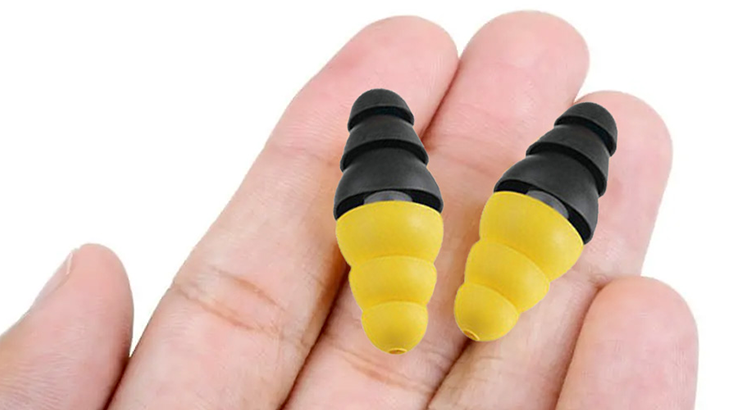
    These earplugs were standard issue for the Army and other branches of the U.S. military for more than a decade. If you used these characteristic yellow and green earplugs and suffered hearing damage, you may be able to join the mass tort currently in progress. You could receive compensation for your treatment, expenses, intangible losses, and punitive damages.

    What is the average payout for the 3M earplug lawsuit?

    As of November 2021, only seven earplug litigation cases have gone to trial. They are the first bellwether cases underway as a part of the multidistrict litigation, MDL 2885. These cases will help shape the outcomes of other cases, although they do not have a direct effect on any other lawsuits. In the five payouts won by the plaintiffs to date, the average award is around $3 million per person. This amount includes significant punitive damages.

    While there are tens of thousands of cases already filed, many more military members and veterans may qualify. The company provided CAEv2 earplugs to fulfill government contracts, and many servicemen and women used them during training, deployment, and active combat.

    The lawsuits filed against 3M allege that:

    • The company and its subsidiary designed, marketed, and sold defective earplugs, including those sold to the U.S. military.
    • Both ends of the dual-ended earplugs had a defect that prevented them from effectively sealing in the ear canals of users.
    • The defect kept the earplugs from performing properly.
    • The company knew there might be an issue, but it failed to warn consumers.
    • There was a way to make the earplugs effective, but the company did not update the instructions to the U.S. Military or the men and women who used them.

    The CAEv2 earplugs in question have a yellow end and a green end. In the marketing materials, these earplugs touted two levels of hearing protection depending on which end the user inserted in the ear canal. The yellow end of the earplug claimed to

    • Block loud sounds that occur intermittently and prevent hearing damage
    • Allow users to hear spoken instructions and other speech and softer sounds

    The green end claimed to provide protection from constant or ongoing loud sounds such as machine gun fire or frequent explosions. In truth, the earplugs were too short to fit properly into normal or large ear canals, making it impossible for most users to create the necessary seal to protect the eardrum from damage. 

    According to a report in Military Times, the earplugs were most commonly used by those serving in the military between 2003 and 2015. There was no recall, so some could still be in use today. This could affect those who deployed in:

    • Operation Enduring Freedom 
    • Operation Iraqi Freedom
    • Somalia Operation Ocean Shield
    • Operation Odyssey Dawn in Libya

    Most plaintiffs in MDL 2885 have one or more of the following symptoms or conditions: 

    • Hearing loss, sometimes profound 
    • Tinnitus
    • Balance concerns
    • Other hearing- or ear-related diagnoses

    Working with a mass tort attorney who handles mass torts and is familiar with these lawsuits may be the best option for learning more about your case and how much you might be able to recover.

    Will 3M settle the earplug lawsuit?

    There have not yet been settlements in any 3M earplug lawsuits as of November 1, 2021. However, as MDL 2885 moves forward through more bellwether trials, they may eventually settle. Following the big win for the three plaintiffs in the first bellwether case in April, there was speculation that the company might offer a global settlement to close the remaining cases if future verdicts were similar.

    How multidistrict litigation works

    Multidistrict litigation offers a way for plaintiffs with similar cases against the same defendant to work together. It also keeps smaller courts from having a backlog of hundreds of similar cases. Before a case becomes MDL, it requires approval by the U.S. Judicial Panel on Multidistrict Litigation.

    After approval, the panel then consolidates the cases under a U.S. District Court. This decision allows all cases to move forward at the same time, including sharing resources, identifying experts, proving causation, and taking care of other steps necessary during discovery. The cases remain combined and under the District Court jurisdiction for pretrial proceedings and several bellwether trials.

    Bellwether cases are the initial trials in multidistrict litigation. They serve as a way for both sides to try out the strength of their case and see how a jury reacts. In the initial bellwether trial in the 3M earplugs litigation, the jury opted to award large settlements that included significant punitive awards.

    How the bellwether trials affect other lawsuits in multidistrict litigation

    Unlike a class action case and other types of mass torts where the jury verdict affects all members of the class, the ruling in a bellwether case is only representative of what could happen when other lawsuits go to trial. 

    While the outcome of these bellwether cases only affects the three plaintiffs whose cases were heard, they often indicate how future juries will view the evidence presented. Hearing damage is not generally expensive to manage, and the monetary losses are usually minimal. However, the jury held 3M accountable through punitive damages. 

    In addition to the MDL, there are more than 1,000 lawsuits against 3M related to these defective earplugs in Minnesota state courts. These cases are unaffected by any actions that occur as a part of the MDL, although the strength of evidence in these bellwether trials could also encourage 3M to settle other lawsuits.

    3M earplug settlement

    If you pursue an earplug lawsuit and payout, your verdict or settlement might be significantly different than the previous outcomes or other settlements. This is because your attorney will work to negotiate a settlement based on the unique facts of your case. 

    The recoverable damages in a lawsuit against 3M may include:

    • Your diagnosis and treatment expenses
    • The cost of implants, hearing aids, or other prescribed equipment
    • Lost wages if you missed work for treatment
    • Reduced earning capacity if your hearing loss affects your ability to work certain jobs

    Additionally, non-economic damages may be available. In some cases, they could be significant. Hearing loss, tinnitus, and other related concerns can cause a substantial decrease in quality of life. Recoverable intangible losses could include: 

    • Past and future pain and suffering 
    • Reduced quality of life and diminished enjoyment in life
    • Emotional distress

    On top of these compensable damages, punitive damages might be available. They are what comprised much of the awards in the first five cases won by claimants.

    It is essential to remember, however, that each of these lawsuits is unique. How much your lawsuit might be worth will depend on the expenses, losses, injuries you experienced, and other facts specific to your particular case. Those who have the most significant hearing loss will generally qualify for the largest settlements or verdicts.

    Your 3M Earplug lawsuit attorney will be able to review your case and document your damages to help you better understand the potential value of a settlement or verdict.

    3M earplug lawsuit update 2021

    According to the U.S. Judicial Panel on Multidistrict litigation, as of October 15, 2021, MDL 2885: 3M Combat Arms Earplug Products Liability Litigation is by far the most extensive multidistrict litigation currently underway in the United States. In mid-October, 272,381 actions were pending. This figure represents almost 300,000 men and women who served in the military between 2003 and 2015 and are now living with a hearing impairment.

    This mass tort is centralized for pretrial proceedings in the U.S. District Court, Northern District of Florida, before Judge M. Casey Rodgers. The discovery process and pretrial motions have concluded, and the bellwether trials are well underway.

    These cases include: 

    Plaintiffs one through three

    The first bellwether trial in the litigation against 3M lasted for five weeks. This trial looked at the cases of three plaintiffs whose cases had similar facts. The Florida jury determined 3M was legally responsible. It awarded the three plaintiffs $7.1 million. This includes more than $2 million in punitive damages per person.

    Plaintiff four

    The fourth plaintiff to go to trial, Dustin McComb, was not able to prove conclusively that his hearing damage occurred as a result of the defective products made by 3M. According to the report by Bloomberg Law, this lack of evidence led the jury to side with the manufacturer in this trial.

    Plaintiff five

    This June 2021 trial presented evidence that plaintiff Lloyd Baker suffered hearing damage while training at Fort Lewis in Washington State. Baker relied on the dual-end Combat Arms earplug Version 2 to prevent the loud sounds of a 160-decibel gun from causing injury. The jury awarded him $1.1 million for his injuries and punitive damages.

    Plaintiff six

    The jury in Brandon Atkins’ lawsuit awarded him $8.2 million in September 2021. Adkins lives with hearing loss and bilateral tinnitus, or a constant ringing in both ears. He is an Army veteran and used the Combat Arms v2 during two tours in Afghanistan.

    Plaintiff seven

    In October 2021, the jury returned a verdict that supported the defense. 3M won the case against Michelle Blum, a veteran who reported relatively minor hearing damage. 

    This verdict was expected because of weak evidence in the case. In fact, her counsel asked to withdraw the case a few months before, but 3M would not agree. 

    Several more cases are on the docket for 2021. Because of the large number of cases involved in this MDL, the judge is working to move as many cases to trial as possible. However, it is unlikely that every case will need to go before a judge and jury.

    As more and more plaintiffs with strong evidence tie their hearing loss to the defective earplugs receive large payouts in jury trials, 3M will likely reconsider their approach. A global settlement offer or another effort to settle as many cases as possible for smaller cash payouts is possible.

    You can still take action to hold 3M accountable for your hearing loss

    If you have hearing loss and tinnitus, hearing impairment, inner or middle ear damage, or other concerns, you could have a case. You will need to document your usage of 3M’s dual-ended Combat Arms Earplug Version 2. An attorney familiar with this litigation can determine if you are eligible to join the ongoing multidistrict litigation underway or pursue other legal action to seek financial recovery.

    While the outcomes of the current bellwether trials are not necessarily indicative of the value of a settlement or verdict you could receive, it is a good sign for current and future claimants that the juries in these cases:

    • Believe 3M’s dual-ended Combat Arms Earplug Version 2 is a defective product
    • See a link between these defective earplugs and the injuries suffered by plaintiffs
    • Value the claimants’ injuries fairly, including intangible losses
    • Want to hold 3M accountable for their actions by awarding significant punitive damages

    Most people who used these earplugs are military personnel, but some claimants bringing cases are civilians, as well. Being a member of the military or veteran is not necessary to file a lawsuit.

    Consult an attorney for your defective earplugs lawsuit today

    You can discuss your potential case with a law firm today for free. Connect with a legal advocate familiar with the 3M Combat Arms litigation to learn more about your rights, options for compensation, and a complimentary assessment of your case.

    Fill out our contact form today for help with your case or to learn more about how to hold the manufacturer liable.

  • What is the Average Payout for the Military Earplug Lawsuit?

    What is the Average Payout for the Military Earplug Lawsuit?

    The average payout in the military earplug lawsuit is still being determined, as lawsuits against 3M are still in litigation. However, in 2018, 3M settled a whistleblower lawsuit and paid the Department of Justice $9.1 million for selling defective earplugs to the U.S. military. These defective earplugs have led to hearing damage, tinnitus, and other conditions, according to thousands of service members.

    The company now faces a multidistrict litigation case (MDL) brought by thousands of service members who faced similar injuries. After five successful bellwether trials, plaintiffs received damages ranging from $1.1 million to $8.2 million. While not every victim of 3M earplug damage will receive multi-million dollar awards, it is a good sign that damages are available for injuries caused by dual-ended Combat Arms Earplug Version 2.

    How much is the 3M earplug lawsuit payout per person?

    Unlike a class action mass tort, most cases in multidistrict litigation are treated individually. This means there is no single payout that applies to all cases. Currently, the defective product case related to the dual-ended Combat Arms Earplug Version 2 (CAEv2) is consolidated into MDL No. 2885: 3M Combat Arms Earplug Products Liability Litigation.

    When a case goes to trial, the jury considers how much the plaintiff should receive—if any—based on the merits of their case, the evidence presented, and their documented compensable damages.

    If you file a lawsuit against 3M, you could win:

    Economic damages

    Your economic losses refer to the costs related to your injury and other financial losses. They include:

    • Any out-of-pocket medical care costs related to your injury
    • A visit to a specialist for diagnosis and treatment, as needed
    • Expenses related to treatment procedures, such as implants
    • The cost of equipment, including hearing aids and other devices
    • Lost wages if you missed work because of your symptoms, diagnosis, or treatment
    • Diminished earning capacity if you cannot work your previous job because of your injuries and complications
    • Additional related expenses, such as travel costs to see a specialist

    Non-economic losses

    Non-economic losses are those intangible damages you suffered because of your injuries, diagnosis, and treatment. Depending on your symptoms, these losses could be substantial. For example, people with severe bilateral tinnitus report that it can dramatically affect their emotional wellbeing and quality of life.

    You may be able to recover compensation for:

    • Current and future physical pain and suffering
    • Reduced quality of life
    • Emotional trauma and mental anguish
    • Loss of enjoyment in activities
    • Other psychological effects

    Punitive damages

    Punitive damages are the compensation awarded to penalize the liable party or parties in a case. In this litigation, 3M stands accused of acting in a particularly shocking way that disregards the health and safety of military servicemen and women as well as other consumers. Because of the accusations against the company and the evidence to support it, juries have awarded large punitive awards to the winning plaintiffs thus far.

    How much you may be able to recover will depend on many factors, including:

    • The severity of your injury
    • The cost of your medical bills
    • The extent to which your injuries have affected your life
    • The strength of the evidence in your case

    Your attorney will be able to discuss how your unique circumstances could affect your compensation. They will also talk with you about the potential outcome of your case. Most will probably not go to trial. A global or individual settlement offer may be possible in these cases.

    If you used the 3M Combat Arms Earplugs Version 2 and have hearing loss, you may be able to pursue money damages. A cash payout may be possible. A law firm representing military personnel in these cases can typically review your case for free and explain your options.

    How much is the 3M lawsuit worth?

    While there is no way to know exactly how much you might be able to recover through a lawsuit or settlement based on your hearing damage and other injuries, seven plaintiffs know the outcome of their cases so far. As of November 1, 2021, five bellwether trials have concluded, covering the claims of seven plaintiffs. Of these, five plaintiffs have won and recovered compensation.

    However, the payouts in military earplug lawsuits have fallen across a wide range. Payouts have included:

    • $7.1 million: The initial bellwether trial covered the cases of three servicemen who suffered hearing damage after using 3M earplugs. The Florida jury awarded the men $7.1 million. This includes $2.1 million per victim in punitive damages.
    • Defense verdict: The second trial was a win for 3M.
    • $1.1 million: Veteran Lloyd Baker received a $1.1 million judgment in this June 2021 trial. Baker suffered hearing damage while using the Combat Arms earplugs for hearing protection during service.
    • $8.2 million: Brandon Adkins suffered hearing loss and tinnitus after using the 3M military issue dual-ended earplugs on two tours in Afghanistan. In September 2021, a Florida jury awarded him $8.2 million in damages.
    • Defense verdict: Michelle Blum, an Army, U.S. Army Reserve, and National Guard veteran, sued 3M and her case went to trial in 2021. Unfortunately, there were questions about the extent to which Blum suffered hearing loss after use of 3M earplugs. The jury returned a verdict in favor of 3M.

    Several more plaintiffs will likely go to trial in this court before the end of 2021. If plaintiffs with well-documented injuries and a proven history of using these earplugs continue to receive substantial awards, 3M could begin to pursue other ways to end these cases.

    The most likely option would be for 3M to make a global settlement offer or to proceed with individual settlements. At that point, the claimants could opt to accept the payout, attempt to negotiate a better settlement, or take their case to trial.

    How many people are in the 3M earplug lawsuit?

    According to the U.S. Judicial Panel on Multidistrict litigation, there were 272,381 pending actions against 3M in MDL 2885 as of October 15, 2021. This is by far the largest number of active cases in an MDL currently in the United States. Based on the number of earplugs manufactured and how long they were standard issue in the U.S. military, thousands more may have injuries.

    These lawsuits accuse 3M of:

    • Designing, manufacturing, and selling defective earplugs
    • Marketing and shipping the earplugs despite knowing that design flaws could prevent them from effectively sealing in the ear canal
    • Failing to warn the U.S. military and other consumers that the defect could allow hearing damage to occur unless special instructions were followed
    • Failing to provide instructions that would reduce or eliminate concerns related to the defective plugs

    The Army and other branches of the military issued these earplugs between 2003 and 2015. This means they were likely used in training and deployments related to:

    • Operation Enduring Freedom
    • Operation Iraqi Freedom
    • War in Somalia
    • Operation Ocean Shield

    You may have used defective 3M earplugs in many other settings during military service.

    Most plaintiffs pursuing legal action have symptoms and conditions that include:

    • Hearing damage, loss, or significant impairments
    • Tinnitus (often bilateral), or a constant ringing in the ears
    • Concerns about balance and mobility
    • Other symptoms of hearing damage or injuries to the inner or middle ear

    How long will the 3M earplug lawsuit take?

    Unfortunately, mass torts take time. Especially when the case accuses a large, multinational conglomerate of wrongdoing, it can take years to navigate the legal process and reach a position when:

    • All remaining cases return to their original jurisdiction for trial, or
    • The liable party offers global or individual settlements to conclude remaining lawsuits, or
    • The plaintiffs drop any remaining cases because of overwhelming losses in bellwether trials

    As of November 2021, MDL 2885 is well underway. It is centralized for pretrial proceedings and bellwether trials in the U.S. District Court, Northern District of Florida, before Judge M. Casey Rodgers. While this case has an unusually high number of bellwether trials scheduled, they are moving forward in quick succession.

    The wait now is to see how many significant losses it takes before 3M moves to settle some or all of the almost 300,000 cases, or if they do. Until it is clear how they plan to handle the pending actions, it is difficult to estimate how long it could take to know the outcome of your lawsuit.

    When will the 3M lawsuit be settled?

    As of November 1, 2021, there have been no settlements in cases related to MDL 2885. 3M has not made a settlement offer to any individual despite facing more than a quarter-million defective earplug lawsuits. However, speculation is that they may move to settle as many of these claims as possible if the upcoming bellwether trials end in the same way as the first five.

    While 3M is a large, multinational conglomerate, they cannot pay out multi-million dollar settlements to every plaintiff who filed a case against them under MDL 2885. In the first bellwether case alone, the plaintiffs received $7.1 million, including $2.1 million each in punitive damages.

    The concern for 3M is that these judgments are more than most people expected. The expenses related to living with and managing hearing damage are relatively minor—compared to living with some forms of catastrophic injuries. However, the juries in these cases have felt that:

    • 3M acted in a particularly inappropriate way
    • The victims deserve justice
    • Paying significant punitive damages is the best way to hold the company liable

    While 3M has won two of the bellwether trials, both had admittedly weak evidence to link hearing damage with the use of these earplugs. The verdicts in cases with more robust evidence have all awarded substantial compensation to the plaintiffs.

    If 3M does move to offer a settlement to plaintiffs with pending lawsuits, this will likely be a global settlement. However, that does not mean that all plaintiffs will receive the same amount; plaintiffs can still receive compensation according to the seriousness of their injuries and the strength of their case. Those who suffer debilitating balance concerns or tinnitus may be able to receive a higher settlement amount, for instance.

    While there is no guarantee that 3M will decide to offer a settlement, this seems like the most likely outcome in these cases.

    You can learn more about the path your lawsuit may take by discussing the strength of your claim with your attorney. A law firm handling these cases can speak frankly with you about if they believe a court award or settlement is possible based on your diagnosis, history of earplug use, and other factors.

    How a military earplug lawsuit attorney can help you seek compensation

    You can work with a military earplug lawsuit lawyer to help you bring a case against 3M and seek compensation for your losses. If you choose to work with a lawyer, they can handle all of the details of your lawsuit for you. This may include:

    • Investigating the details of your case
    • Explaining your legal options in terms you can understand
    • Gathering evidence from your medical records and expert testimony to speak to your condition
    • Filing all necessary paperwork for your lawsuit
    • Representing your interests during negotiations or litigation
    • Helping you seek the best possible payout
    • Keeping you updated about any progress related to your case

    MDL cases are complicated, and you may find it especially helpful to have a lawyer on your side.

    The cost of paying for a lawyer

    Some people are uncertain about whether or not they can afford a lawyer. You should know that legal representation may be more within reach than you think.

    Many injury lawyers will work based on contingency fees. This means that you will owe no upfront payments unless the lawyer wins compensation for you. Also, many injury lawyers will offer a free case evaluation so you can learn your options. This makes the process of seeking legal help relatively risk free.

    Get connected with an attorney’s office to begin your case against 3M today

    Our team is standing by to help you determine your next steps in a defective earplug lawsuit. We are a referral service that can connect you with a mass tort lawsuit lawyer today. You may be eligible to join the MDL against 3M, seek a settlement, or file a lawsuit in another jurisdiction.

    Fill out our contact form for help with your case or to learn how you can hold the manufacturer accountable.

  • What Was The Defect In The 3M Earplugs?

    What Was The Defect In The 3M Earplugs?

    According to the lawsuits filed against American multinational conglomerate corporation 3M and designer Aearo Technologies, a serious defect prevented dual-ended Combat Arms Earplug Version 2 (CAEv2) earplugs from providing proper hearing protection. These earplugs were standard issue to military personnel from 2003 to 2015, and thousands of these servicemen and women now report hearing loss, tinnitus, and other related injuries.

    In MDL 2885: 3M Combat Arms Earplug Products Liability Litigation, there are almost 300,000 lawsuits claiming injuries and financial damages due to earplugs that provided little to no hearing protection. The lawsuits claim that neither end of the dual-end earplugs worked effectively when used as instructed or in a way most reasonable people would use them.

    Using the defective 3M earplugs can lead to hearing problems among veterans

    Many men and women who served in the U.S. military between 2003 and 2015–when the CAEv2 were used–are now reporting concerns about hearing loss and tinnitus, as well as other symptoms. Military training, deployment, and combat often expose military personnel to loud noises, both intermittent and ongoing. They require effective hearing protection that prevents injuries but also allows them to hear spoken instructions and other communication.

    The dual-ended Combat Arms earplugs manufactured and sold by the 3M company promised to offer one or the other, depending on which end the user selected. This color-coating created their distinctive look: yellow on one end and green on the other. ​​

    However, this claim may have been too good to be true. The lawsuits filed against manufacturer 3M and designer Aearo Technologies, now owned by 3M, allege the companies were negligent and intentionally misleading in several ways. This includes:

    • Designing, making, and selling a defective product
    • Continuing to market earplugs despite knowing they did not effectively seal in the ear canal for most users, allowing possible hearing damage
    • Failing to warn those who purchased or used the earplugs about the risk
    • Did not include instructions on how to reduce the risk of hearing damage while using the earplugs

    It is noteworthy that 3M settled a lawsuit filed by the Department of Justice over the serious design flaw in these earplugs. The company paid out $9.1 million but did not admit liability, that there was a design defect, or that any service members suffered injuries. This settlement was based on money spent by the Department of Defense and did not benefit any individual who sustained hearing loss.

    Those involved in MDL 2885 and others filing lawsuits in other jurisdictions, such as state courts in Minnesota, claim they suffered injuries that include:

    • Hearing impairment and loss
    • Tinnitus
    • Loss of balance and related symptoms
    • Other related effects

    According to Military Times, the servicemembers affected may have participated in the following deployments:

    • Operation Enduring Freedom
    • Operation Iraqi Freedom
    • Somalia Operation Ocean Shield

    Other deployments also occurred during this span, and many soldiers likely used this type of hearing protection during training and stateside missions, as well. In fact, at least one of the bellwether cases heard in 2021 featured a veteran who suffered hearing loss during training.

    Some civilians who used these earplugs have also filed lawsuits alleging related hearing damage.

    Defects with the yellow side of the 3M earplugs

    According to the 2018 lawsuit against 3M filed by the Department of Justice, the yellow side of the Combat Arms earplugs was meant to allow soldiers to hear softer sounds but offer protection against explosions, gunshots, and other loud but intermittent noises. The defendants claimed this end of the earplug had a 0-decibel rating, as required by the Department of Defense in its contract.

    This rating would protect their hearing while still understanding critical instructions from officers, field commands, and other communication. However, 3M’s own testing showed that the earplugs had a decibel rating of -2. This means they actually amplified sounds, possibly increasing damage to the eardrum and causing hearing loss.

    Defects with the green side of the 3M earplugs

    The Department of Justice lawsuit also outlined a design flaw with the green end of the earplugs. This end did not meet the stated decibel-reduction rating, either. Instead, even if it worked properly, it would have provided only limited hearing protection.

    The green end was meant to offer protection when there were ongoing and frequent loud sounds, such as machine-gun fire, helicopter traffic, or intense combat.

    However, because of a design defect with the entire earplug, neither end functioned as 3M claimed. Soldiers trusted the safety devices provided to them. They used them extensively for more than a decade, leaving many of them with hearing loss, ringing in their ears, and suffering a reduced quality of life as a result.

    Design flaw with the Combat Arms V2 Earplugs

    The concept of a dual-ended earplug was a good one. Many military and industrial applications require two levels of hearing protection:

    • One side to protect from sudden, shrill sounds and loud, ongoing noises
    • One side to provide protection for intermittent sounds but also allow the wearer to hear others speaking nearby

    However, the design of the Combat Arms Earplugs Version 2 did not allow for either end of the plug to work effectively. The defective earplugs were too short to fit properly and “seat” inside the ear canal in most people. This meant they could not go far enough in the ear to create a seal in the ear and block out sound.

    Without instructions telling them how to avoid this issue, most who used them had no hearing protection or may have even experienced amplified sound. All too often, the earplugs simply fell out of the ear, and the user grew frustrated with wearing them.

    3M defective combat earplugs lawsuit

    The multidistrict litigation against 3M currently has more pending actions than any other MDL mass tort in the United States. According to the U.S. Judicial Panel on Multidistrict litigation, there were 272,381 active cases consolidated into this MDL as of October 15, 2021.

    The purpose of an MDL is to centralize cases with similar facts and against the same defendant for pretrial proceedings, discovery, and several initial trials known as “bellwether cases.” This helps prevent a backlog of nearly identical cases in small courts and moves the process along faster than it might if each case went through the initial stages on its own.

    The panel consolidated the 3M cases in the U.S. District Court, Northern District of Florida, before Judge M. Casey Rodgers. As of November 2021, the discovery and pretrial motions are concluded in this MDL, and the bellwether cases are well underway. To date, there have been five trials and seven claimants’ suits heard. The verdicts include:

    The first three plaintiffs

    Judge Rodgers and the jury heard the first three bellwether cases in MDL 2885 simultaneously. Bellwether trials are an essential part of the multidistrict litigation process. They show everyone involved how juries will react to the evidence available and the basic facts of the case.

    The trial for the first three plaintiffs took five weeks, with the verdict coming in April 2021. Each of the three plaintiffs received a $7.1 million judgment, including $2.1 million in punitive damages.

    Punitive damages do not compensate the victim for their losses. Instead, they penalize the liable party for their intentional, malicious, or particularly egregious behavior. In this case, the jury was clear: 3M was in the wrong and should pay the price.

    3M wins its first case

    The second trial ended a month later, on May 28, 2021. The jury in this trial sided with 3M. They determined that the plaintiff, Dustin McCombs, had not presented enough evidence to show that the defective earplugs were the cause of his symptoms.

    Another decisive victory for the plaintiffs

    In June 2021, another plaintiff received a significant award after the jury decided veteran Lloyd Baker suffered hearing damage during training at Fort Lewis. Baker relied on the Combat Arms earplugs while training on a 160-decibel gun. He received a $1.1 million verdict, including a substantial punitive damages award.

    Sixth plaintiff recovers $8.2 million

    When Washington State resident and veteran Brandon Atkins took his case to trial in September 2021, he had strong evidence to show that he used the 3M earplugs during two tours in Afghanistan and in numerous situations where loud noise might be a concern. He now lives with hearing impairment and tinnitus.

    The jury in his case granted him an award of $8.2 million, which includes punitive damages.

    3M succeeds in a case the claimant’s counsel tried to withdraw

    In the case of Michelle Blum, her counsel had attempted to withdraw her lawsuit over the summer. 3M refused, believing it was one they would win. They were correct. The jury returned a defense verdict in October 2021.

    Blum claimed she suffered hearing damage caused by the defective earplugs while serving in the Army, U.S. Army Reserves, and National Guard. She served for 20 years, between 1989 and 2009.

    As of November 2021, there are eleven more bellwether trials on the court’s docket. If the juries continue to award substantial punitive damages in claims backed by strong evidence, 3M will likely take action to try to settle as many of these cases as possible.

    How 3M defective design settlements could work

    The financial costs and losses associated with hearing loss are generally not as expensive as many other types of injuries. While the intangible effects may be worth more because they can significantly reduce quality of life, the juries seem to believe that a large punitive award is crucial to holding 3M liable and getting justice for victims.

    If verdicts in future cases go similarly, there is a good chance 3M will begin making offers to settle as many of the almost 300,000 lawsuits as possible outside of court. This will most likely occur as a “global” or “block” settlement offer.

    This means they will divide the lawsuits into tiers based on the severity of the plaintiffs’ hearing loss and other symptoms. Then, the company will make an offer for each tier. Plaintiffs can accept the offer, negotiate for a better settlement, or reject the offer and continue to trial.

    You still have time to file a 3M Combat Arms defective earplugs lawsuit

    If you live with hearing loss and used these easy-to-identify dual-ended earplugs during your military service or civilian activities, you may be able to sue and join the mass tort already underway or take other legal action to hold the designer and manufacturer accountable.

    You may be able to recover compensation for your economic losses and non-economic damages. This includes:

    • Medical bills for diagnosis and treatment
    • The cost of any related procedures
    • Expenses related to implants, hearing devices, and other prescribed equipment
    • Lost wages for the time you missed at work
    • Reduced earning capacity if you cannot work certain jobs because of your impairment
    • Current and future pain and suffering
    • Diminished quality of life
    • Mental anguish and emotional distress

    To date, punitive damages have made a significant difference in the value of every case won by plaintiffs at trial. Each case is different, however. How much you may be able to recover depends on the strength of your case, the severity of your injuries, the work of your attorney, and other factors.

    As of November 1, 2021, there have been no settlements in the 3M earplug litigation. Settlements will likely begin only after plaintiffs continue to recover substantial payouts at trial.

    A Combat Arms earplugs litigation lawyer can help

    You can discuss your legal rights and options with our firm. They can review your history and use of defective earplugs, your hearing damage and other symptoms, and other essential factors in your case.

    Fill out our contact form today to get help with your case and hold the manufacturer responsible.

  • Can a CPAP Machine Damage Your Lungs | The Sentinel Group

    Can a CPAP Machine Damage Your Lungs | The Sentinel Group

    If you or someone you love relies on a CPAP machine to open their airways, ease breathing, and sleep soundly, they might also experience damage to their lungs. This dangerous side effect can happen when a CPAP machine is dirty, or bacteria in the machine leads to infection or irritation. 

    The machine can also cause damage when improper pressure levels result in more air being pushed the into lungs than a person can comfortably handle. 

    You can fight for justice after suffering damage to your lungs from your CPAP

    Our network of mass tort attorneys is committed to helping clients who suffer from these or any other types of lung issues. When our team represents you, we help you prove the correlation between your use of the machinery and your adverse health diagnosis. 

    We also help you create a list of your recoverable damages and assign them a monetary value. Our team will prepare your case for compensation and negotiate with the machine’s manufacturer for financial compensation.

    What is a CPAP system, and why is one needed?

    A continuous positive airway pressure (CPAP) machine is designed and prescribed to help treat sleep apnea in various forms. According to Mayo Clinic research, the most common type of sleep apnea is obstructive sleep apnea (OSA). OSA causes the muscles in your throat to relax and contract at irregular levels. This can cause you to snore and make it difficult to get good, restful sleep.

    If you suffer from OSA, you might experience symptoms that include:

    • Dry mouth 
    • Sore throat
    • Mood changes
    • Extreme snoring
    • Decreased libido
    • Gasping or choking
    • Disrupted breathing 
    • High blood pressure
    • Headache on waking
    • Difficulty concentrating 
    • Sleepiness and fatigue 

    Further Mayo Clinic research cites the CPAP’s ability to eliminate snoring and prevent sleep apnea among the benefits of using it. The device delivers a continuous air supply through a specialized mask to maintain open airways and passages. A CPAP machine is often prescribed to treat OSA and maintain a positive airway while you sleep.

    How does a CPAP machine work?

    A CPAP machine has a motor that generates a constant pressurized air stream. It moves through the machine and its air filter into a length of tubing. Your doctor will fit the mask you use with the machine to form an airtight seal. It is worn over your nose and mouth and works by:

    • Directing a steady stream of purified air through its mask
    • Removing anything blocking your airway with pressurized air
    • Opening your lungs to deliver a sufficient oxygen level

    While all CPAP machines have the same internal and mechanical parts and elements, they can have different mask types. Your medical team will customize the mask you use for you to accommodate your:

    • Specific breathing pattern
    • Personal comfort level
    • The type of sleep disorder you were diagnosed with

    The type of mask worn on your face can include

    • Nasal pillow mask
    • Nasal mask 
    • Full mask

    Our attorney network will review your medical records and examine your CPAP machine to determine which type of mask you were prescribed and whether or not your device has any defects or bacterial contamination.

    Tips for beginning users

    Adjusting to the daily use of CPAP therapy can be challenging for new users. If your device is not used properly, it can lead to leaks in an improperly fitted mask, difficulty sleeping, and a persistent dry mouth. The following tips can help beginning users master the device:

    • Ask about a machine that slowly increases air pressure
    • Work with your prescriber to ensure your mask fits properly
    • Wear your CPAP mask during the day to adjust to its feel
    • Request a chin strap to hold your mouth in a closed position
    • Consider investing in a CPAP-heated humidifier, if needed
    • Ensure your air filter is meticulously clean and free of blockage

    Mayo Clinic research and guidance point to these tips and recommend a careful and patient adjustment to the use of your CPAP machine. If you continue to have a hard time managing your machine, your prescriber can help you cope by adjusting your machine’s settings.

    The reality of CPAP machines and their potential health concerns

    CPAP machines are intended to promote healthy sleep and improve lung health. If using your machine causes a different ailment or otherwise damages your lungs, you could be entitled to financial compensation. 

    According to Food and Drug Administration (FDA) recall information, certain makes and models of CPAP machines can cause potential health concerns because of the foam they contain. Sound abatement foam reduces your CPAP’s sound, and vibration during use can break down and become lodged in the machine’s air path. When that happens, debris and chemicals from the foam and device can be swallowed or inhaled.

    Human error can lead to some CPAP machines causing harm to patient lungs. This can happen because the machines are not, or cannot be properly cleaned. If you cannot properly clean your machine and your lungs are damaged due to bacteria contamination, our team can help you seek compensation from the device’s builder.

    What are the potential side effects of using a CPAP machine?

    CPAP machines can help relieve snoring and make it easier for you to sleep soundly at night. As beneficial as the device is, it can also cause potential health care issues and concerns. Some reported concerns include rapid bacteria and mold growth in the device’s components which can damage your lungs and overall health in myriad ways.

    Additional side effects of using a CPAP machine include:

    • Machines that force too much air into your upper airways and lungs and cause your stomach to fill with air
    • A leaky mask affects your eyes and can cause dry eyes, ocular abrasions, glaucoma, and periodic conjunctivitis.

    Bacteria growth and lung infection can damage your lungs and require costly and extensive treatments. Our network of mass tort attorneys will help you build a personal injury case for financial compensation against the manufacturer of your CPAP machine.

    If I already have lung disease, can a CPAP make it worse?

    If you or someone you love is already struggling to breathe and sleep comfortably because of lung disease, a malfunctioning CPAP device can worsen your already damaged health. Two commonly diagnosed forms of lung disease include interstitial lung disease and chronic obstructive pulmonary disease (COPD). 

    According to Mayo Clinic research, either of these conditions can cause difficulty breathing, chronic dry cough, and shortness of breath. A CPAP device can lead to further lung deterioration if:

    • It is not or cannot be thoroughly cleaned
    • It is contaminated with dirt and bacteria
    • It has faulty or breakaway abatement foam

    Other CPAP device issues might also harm your lung health. A CPAP machine is supposed to provide a steady but light, continual airflow. When the machine’s air pressure is more than your lungs can tolerate, your lungs might become damaged. When our team handles your case, our attorneys will help you prove its correlation and your lung disease.

    Can a CPAP damage or weaken your lungs?

    If a sleep specialist prescribed a CPAP machine to make you sleep snore-free and more deeply and comfortably, it can be distressing to find out it made your health worse. One of the ways this can happen is by introducing bacteria from damaged or dislodged sound abatement foam into the machine’s mechanism. The resulting mold can damage your airway and weaken your lungs. 

    If the medical device introduces too much air, too much air pressure, or too dry air, it can also cause damage by posing a risk of infection. This can result in:

    • Increased risk of infection
    • Inflammation in your airway 
    • Dangerous mold and bacteria

    You might also experience irritation of your lungs and airway, a prolonged and irritating cough, and bronchitis or pneumonia, which can further weaken or damage your lungs. If this happens because of CPAP pressures or your device’s pressure setting, you could be in line for compensation along with other plaintiffs who were injured in similar ways by the same dangerous device or its components.

    Can you get lung damage from too much CPAP pressure?

    When your CPAP is not calibrated correctly or sends too much pressurized air into your lungs, you might experience a range of negative side effects. Soreness and lung damage from hyperinflation is only one of the ways the CPAP machine might damage your lungs from too much air pressure. 

    Your health care provider should explain the pressure level of your machine according to your specific health care condition, type of mask on your face, and other important factors. If you sustained lung damage, our team of attorneys would help you explore your health care and compensation options.

    You depended on your CPAP treatment to regulate and ease your breathing pattern after falling asleep. If it worsened your health, our network could help. Our attorneys will carefully review your medical records to date and consult with CPAP experts to prove the medical device caused a deterioration in your health that entitles you to financial compensation. 

    Does using a CPAP machine weaken the lungs?

    Exposure to harmful bacteria and chemicals from a faulty CPAP machine can damage or weaken your lungs over time. Lung weakness can also occur from sound abatement foam or other parts or a dirty machine.  

    Because CPAP is a common treatment for lung diseases like COPD and disorders like various forms of sleep apnea. So, you may already be vulnerable by the time a CPAP device is prescribed.

    Our network of personal injury and multi-client attorneys will help you prove the impact a CPAP machine has on your health. We will also:

    • Help you document your related diagnosis
    • Collect supportive evidence
    • Build your case for compensation if your CPAP machine is on an FDA recall list
    • You received or were issued a faulty mask
    • Your machine’s calibration forces too much air into your lungs

    How can I prevent getting sick from using a CPAP machine?

    Whether using a CPAP machine is a new experience or you have been using one for a long period, the experience can be overwhelming. In some instances, the device’s full face mask can lead to feelings of claustrophobia that make effective use of the machine a challenge. 

    You can avoid getting sick from the use of your CPAP machine by:

    • Using distilled water only 
    • Not letting water sit in the machine long
    • Regularly replacing masks and filters

    You should also regularly replace CPAP parts and components even if they seem fully functional. That includes nasal masks, nasal pillows, and device cushions. In addition, you should avoid sharing equipment with other CPAP users and avoid purchasing used parts that might have hidden issues or concerns. These beneficial tips ensures your device provides its purported health benefits without risks.

    Tips to limit the possibility of illness

    One of the best methods of limiting the possibility of illness or discomfort while using your CPAP machine is to have open and frank conversations with your healthcare provider. Additional tips that help promote the product and patient safety include:

    • Being patient while your body adjusts to the device
    • Using a humidifier to avoid throat infections
    • Asking your doctor to adjust your machine’s pressure as needed
    • Using a mask barrier to protect sensitive skin
    • Wearing a properly fitted mask to avoid a damaging air leak
    • Thoroughly and frequently clean your CPAP machine

    You should also avoid the potential illnesses resulting from harmful fungus or mold. In addition, work closely with your prescriber to ensure your machine’s settings are optimized for your specific needs.

    Contact one of our team members today to discuss CPAP defect damages

    Were you or someone your love prescribed a CPAP machine? If you suffered from harmful side effects that damaged your lungs and health, you could be entitled to monetary recovery of your resulting damages. 

    Fill out our contact form today for help with your case or to learn more about how you can bring the manufacturer to account.

  • Philips CPAP Lawsuits Are Consolidated in MDL

    Philips CPAP Lawsuits Are Consolidated in MDL

    Movement seen in Philips CPAP lawsuits as cases are consolidated in MDL

    On October 8, 2021, the Judicial Panel on Multidistrict Litigation (JPML), which comprises seven circuit and district judges, ruled to consolidate lawsuits filed against Philips Respironics, the maker of recalled continuous positive airway pressure (CPAP) and other respiratory devices.

    Reuters reported the news, along with the fact that Senior U.S. District Judge Joy Flowers Conti will oversee the pretrial and discovery hearings for the lawsuits under MDL No. 3014 – In Re: Philips Recalled CPAP, Bi−Level PAP, and Mechanical Ventilator Products Liability Litigation.

    Why the Philips CPAP lawsuits are being consolidated

    To date, hundreds of claimants have taken legal action against Philips. The lawsuits center on the DreamStation product line of devices’ defective sound-abatement foam. This component of the DreamStation devices allegedly breaks down and/or off-gases, causing users to ingest or inhale toxic or carcinogenic substances and become ill.

    The cases share common questions of fact, making them suitable for consolidation in multidistrict litigation (MDL). The purpose of MDL is to streamline the judicial process in similar cases by conserving resources and facilitating consistency across a large number of lawsuits. Typically, the judge who manages an MDL encourages plaintiffs and defendants to agree on a settlement.

    Under the MDL, the Philips cases in which evidence points to consistent questions of fact have been transferred to a single court, the United States District Court Western District of Pennsylvania. Most of Philips’ recalled devices were manufactured outside Pittsburgh, making it the logical choice for hosting pretrial hearings, according to the JPML.

    Story of the plaintiff who asked for the MDL

    Plaintiff Thomas Starner filed a motion for the consolidation of the Philips cases. Starner’s lawsuit states that he purchased a Philips Respironics Remstar Pro CPAP in 2013 and used it every night up to April 2018. The plaintiff then bought a Philips DreamStation Auto CPAP device, which he used on a nightly basis until June 26, 2021. On this date, Starner was notified of the recall of both devices because of the dangerous PE-PUR foam.

    The plaintiff claims he incurred “substantial expenses” to replace the recalled devices. Furthermore, according to the complaint, Starner has endured “chest tightness and respiratory irritants” while using the Philips devices. News of the recall allegedly has caused Starner to suffer anxiety about his health due to the possibility that he ingested or inhaled dangerous substances from the machines.

    How will the MDL play out for Philips CPAP lawsuit plaintiffs?

    The federal court judge will manage the pretrial and discovery process. During discovery, both sides of the lawsuits will depose witnesses, exchange documents, and issue interrogatories. During this process, individual lawsuits could be either dismissed or settled. Those that are neither dismissed nor settled will be sent back to their state courts for trial.

    In other words, each Philips case will be decided on its own merits. Only the discovery and pretrial hearings are shared across the various lawsuits.

    CPAP repair plan expected to complete in one year

    Philips reported that its CPAP repair and replacement program is “underway.” According to the company, it has built approximately 750,000 replacement devices and repair kits. Although more than 250,000 of these units have been delivered to customers, Philips anticipates that only in a year’s time will all users have received their replacement devices and repair kits.

    The U.S. Food and Drug Administration (FDA) announced the recall of millions of Philips Bi-Level Positive Airway Pressure (Bi-Level PAP), Continuous Positive Airway Pressure (CPAP), and mechanical ventilator devices in June 2021. The agency labeled the recall as a Class I recall, a classification reserved for the most serious recalls of products that could cause serious injuries or death.

  • Philips Recalls Millions of CPAP, Ventilator Machines Over Health Risks

    Philips Recalls Millions of CPAP, Ventilator Machines Over Health Risks

    Philips recalls millions of CPAP, ventilator machines over potential health risks

    In November 2021, the U.S. Food and Drug Administration (FDA) released an update on their June 2021 recalled device notice for various bi-level positive airway pressure (BiPAP), continuous positive airway pressure (CPAP), and mechanical ventilator devices manufactured by Philips. These breathing devices contain polyester-based polyurethane (PE-PUR) sound abatement foam, which can degrade over time and cause users to develop health issues, including cancer.

    If you or a loved one used one of Philips’ Respironics Sleep & Respiratory Care or other recalled CPAP machines and developed an injury or illness, you may qualify to file a claim or lawsuit to pursue compensation. A personal injury lawyer can review your case and continue to follow the FDA’s updates to see where your case stands.

    The FDA’s recall notification issues advice for patients and customers

    Philips initially sent out a recall on its medical devices on June 14, 2021, warning consumers to cease using specific models of sleep apnea machines the company produced. The device manufacturer stated in the recall notice that the company wanted to initiate voluntary recall notification to “ensure patient safety” in accordance with regulatory agencies like the FDA.

    The FDA recommends consulting your physician to assess safety risks

    In the FDA’s November update to the June 2021 recall notice, the administration recommended that patients and consumers should follow the original instructions of the Class I recall. These instructions included:

    • Cease use of the recalled Philips-brand sleep apnea machine immediately.
    • Consult your physician to determine whether you can continue use or should use a different breathing device.
    • Get a physical exam and other necessary diagnostic tests performed if you experience any side effects from using your sleep apnea device.

    Some patients may still be able to use their CPAP, BiPAP, or ventilator device if the health risks of sleep apnea outweigh the health risks associated with using the recalled devices. Philips also offers a repair and replacement program for those who purchased one of the qualifying devices.

    Recalled Philips BiPAP, CPAP, and ventilator medical devices

    Philips has recalled the following BiPAP, CPAP, and ventilator breathing devices:

    • A Series BiPAP A30 and A40
    • A Series BiPAP Hybrid A30
    • A Series BiPAP V30 Auto
    • DreamStation ASV
    • DreamStation CPAP, Auto CPAP, BiPAP
    • DreamStation ST, AVAPS
    • DreamStation GO CPAP, APAP
    • SystemOne ASV4
    • SystemOne (Q-Series)
    • C Series ASV
    • C Series S/T and AVAPS
    • Garbin Plus, Aeries, LifeVent
    • OmniLab Advanced Plus (In-Lab Titration Device)
    • Dorma 400 CPAP and 500 CPAP
    • E30 (Emergency Use Authorization)
    • REMStar SE Auto CPAP
    • Trilogy 100 and 200

    These devices were manufactured prior to April 26, 2021. The recall is based on information collected in Philips’ first-quarter company report. If you are currently using any of these devices, you should consult your physician to determine if it is still safe for you to continue use or if there are other options available to treat your sleep apnea.

    Possible health risks associated with using the recalled Philips medical devices

    On June 30, 2021, the FDA issued a health notice following the Class I recall on Philips Respironics, noting significant health risks associated with the recalled devices.

    As mentioned, these devices use polyester-based polyurethane (PE-PUR) sound abatement foam to lower noise from the sleep apnea machine. However, foam degradation can occur over time, releasing black debris from the foam into the machine tubing. Should patients inhale or swallow the black debris, they can suffer several side effects. In addition, these particles are also carcinogenic, posing a cancer risk for users.

    Symptoms of exposure to Philips CPAP machine foam particles

    If you were exposed to pieces of foam in your CPAP, BiPAP, or ventilator machine, you might experience the following side effects:

    • Irritation in your nose, throat, and respiratory tract
    • Irritation in your eyes on your skin
    • Headaches
    • Asthma
    • Inflammation

    Some patients using the affected devices will experience signs of cancer in their organs, such as the liver or kidneys. This is because the foam contains volatile organic compounds (VOCs), which can release into the tube airways and get inhaled by patients. The FDA also notes that people who live in hot and humid climates or use ozone cleaners may put their devices more at risk for foam degradation.

    Potential health risks of inhaling PE-PUR foam chemical emissions

    Potential health risks of inhaling PE-PUR foam chemical emissions include:

    • Irritation in areas that have direct contact with the machine’s tubing (e.g., eyes, skin, nose, mouth)
    • Allergic reaction
    • Dizziness
    • Immune system reaction, including inflammation
    • Headaches and migraines
    • Nausea or vomiting
    • Side effects related to cancer and toxin poisoning
    • Coughing
    • Dyspnea, or difficulty breathing
    • Chest pain

    If you are experiencing any of these symptoms, consult with your physician immediately.

    Philips created a repair and replacement program for patients

    Philips has developed a repair and replacement program for patients using the affected medical devices listed in the recall notice. With this program, Philips agrees to:

    • Replace machines in the first-generation DreamStation product families with DreamStation 2 models or newer
    • Send out the replacement device upon receipt of the original recalled device by the consumer
    • Manufacture CPAP, BiPAP, and ventilator machines that do not rely on sound abatement foam but safer alternatives
    • Increase production of DreamStation 2 products in the United States and Europe

    The repair and replacement program launched in June 2021 and is still in place until further notice. Consumers do not have to pay for the replacement device as part of the recall.

    Additional information about sleep apnea

    Philips is one of the main manufacturers of sleep apnea machines in the United States and Europe, making it understandable why the recall would affect many patients’ lives and health. Philips Chief Executive Frans van Houten expressed sentiments in The Wall Street Journal, saying, “We deeply regret any concern and inconvenience that patients using the affected devices will experience because of the proactive measures we are announcing today to ensure patient safety.”

    To understand how these machines may affect patients, it may be good to learn more about sleep apnea and how this sleeping disorder affects patients’ lives in general.

    Risk factors that can lead to sleep apnea

    Sleep apnea is a sleeping disorder that affects an individuals’ breathing. People with sleep apnea may unexpectedly stop breathing throughout the night, which can be life-threatening if they do not send neural signals to continue breathing again. Some immediate signs to look for is loud snoring and feeling tired in the morning despite having a full night of rest.

    Certain factors can increase a person’s risk for developing sleep apnea, such as:

    • Being overweight: Fatty tissue around the throat area or breathing airways can obstruct breathing at night, especially in certain lying positions (e.g., lying on your back).
    • Being male and/or older: According to Mayo Clinic, men are two to three times more likely to develop sleep apnea in their lives than women. However, men and women who have reached retirement age are more likely to develop sleep apnea than younger people.
    • Family and medical history: If you have a history of sleep apnea in your family, you are likely to develop the sleeping disorder. Alternatively, other medical conditions can increase your risk of sleep apnea, such as high blood pressure, type II diabetes, congestive heart failure, polycystic ovary syndrome (PCOS), hormonal disorders, and chronic lung diseases.

    If you feel tired at night and exhibit any of these risk factors, you may want to consult with your physician about sleep apnea if you need to treat your condition.

    Obstructive sleep apnea

    Obstructive sleep apnea occurs when the muscles in an individual’s throat, such as the tongue and soft palate, are too relaxed that they obstruct breathing. When these muscles relax, they can lay flat against the throat airway, which then prevents a person from being able to breathe.

    Other risk factors that can lead to obstructive sleep apnea in addition to those already listed include:

    • Anatomical structure: People with certain anatomy may be prone to developing obstructive sleep apnea, such as individuals who have thick necks or naturally narrowed airways. People who still have their tonsils or adenoids can also have narrowed airways for breathing.
    • Nasal congestion: If you have allergies or are prone to nasal congestion, these conditions can obstruct your breathing at night, which can lead to sleep apnea.
    • Substance use: People who smoke, drink alcohol, or use sedatives or tranquilizers are more likely to develop obstructive sleep apnea. Smoking inflames the upper airway and makes individuals prone to fluid retention, where alcohol and certain drugs may relax the throat muscles too much during sleep.

    Central sleep apnea

    Central sleep apnea occurs because of neurological dysfunction. An individual’s brain does not send enough or proper signals to maintain their breathing throughout the night. This means a person will momentarily stop breathing throughout the night because their throat and respiratory muscles are not being directed to take air in.

    Other risk factors that can lead to central sleep apnea besides those already listed include:

    • Heart disorders: If you have been diagnosed with congestive heart failure or another heart condition, such as coronary heart disease, then you have a higher risk of central sleep apnea in your life.
    • Stroke: People who have had strokes or are at risk of having a stroke may develop central sleep apnea as a side effect due to the neurological changes stroke can make in the body.
    • Narcotic pain medications: People who use long-acting opioid medications may increase their risk of central sleep apnea.

    If you are experiencing health issues, you should see a doctor

    Whether you exhibit signs of obstructive or central sleep apnea, this is a serious health condition to monitor, as the consequences can be high for those who do not regularly treat it. For example, if you continue to sleep with untreated sleep apnea, you can be putting yourself at risk of:

    • Developing other serious health conditions: Sleep apnea can lead to other health issues such as high blood pressure, heart disease, type II diabetes, metabolic syndrome, and liver problems.
    • Feeling tired throughout the day: If you continuously stop breathing throughout the night, you are not getting full rest and will feel fatigued. Sleep deprivation can affect your autoimmune system, mental health, work productivity, and overall wellness.
    • Complications with medications: People with obstructive sleep apnea may not be able to take certain medications because of their breathing obstruction. This can particularly affect medications necessary before and after surgery, as individuals may not be able to retain medicines while sedated or lying down.

    Individuals with sleeping partners may also risk jeopardizing their relationship or partner’s health. For example, partners may be unable to sleep throughout the night because of the individual’s snoring.

    You can speak with your physician about your sleep apnea machine

    If you are using a Philips BiPAP, CPAP, or ventilator machine that has been recalled, you should speak with your primary care physician right away to see how you can continue to treat your sleep apnea without putting your health at risk. If you exhibit symptoms of PE-PUR foam exposure, you can also alert your physician so that they can conduct proper tests.

    Once you get medical documentation of your condition, you may want to consider filing a claim or lawsuit about any injuries or illnesses caused by your Philips sleep apnea machine. A personal injury lawyer can guide you on the legal process and represent your case.

    Get a free consultation about your defective Philips CPAP machine today

    If you or a loved one used a recalled Philips CPAP machine and suffered health consequences because of it, you may qualify to pursue compensation for your injury, illness, and/or other damages. We can direct you to a personal injury lawyer who handles defective product cases in your area and can represent you.

    Fill out our contact form today for help with your case or to learn more about bringing the manufacturer to account.